Cliffy Blog › Could the Multi-Camera Sitcom Be Poised for a …
Could the Multi-Camera Sitcom Be Poised for a Comeback?

In this post
For years the industry chased prestige streaming dramas, eight-episode limited series and cinematic single-camera comedies. That quietly sidelined a dependable employment engine: the multi-camera sitcom.
The Old Machine
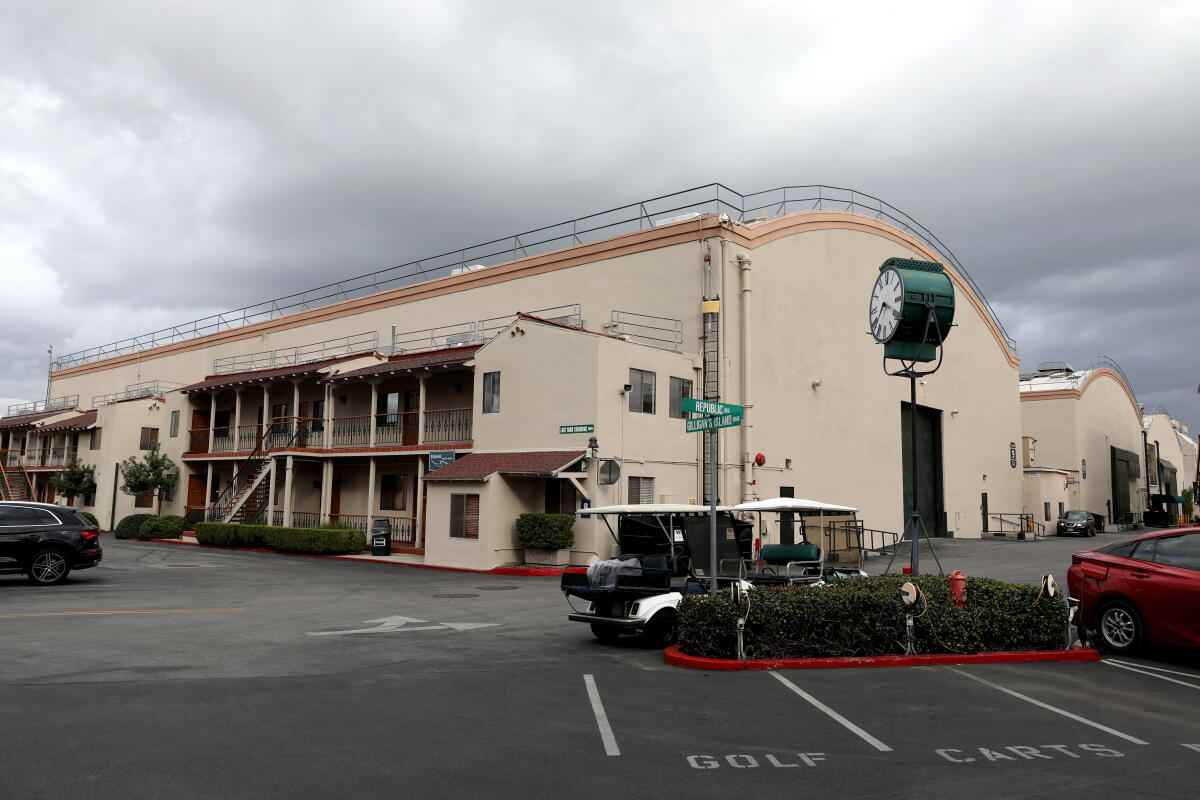
Built on standing sets, live audiences and collaborative writers' rooms in Los Angeles, shows like Friends, The Big Bang Theory, Everybody Loves Raymond, Will & Grace and Two and a Half Men were continuous production ecosystems. They employed hundreds of people nine months a year and kept soundstages full.
What Changed
As Netflix and others reshaped TV, comedies moved to single-camera style, trading audiences and standing sets for a cinematic look. 22-episode seasons became eight- or ten-episode orders, meaning fewer production weeks, less stable crew work and an erosion of Los Angeles' structural advantages.
Why Multi-Cam Is Sticky
Single-camera shows move easily to places with richer incentives. Multi-cams are hard to relocate because they rely on daily collaboration from writers' rooms and live-audience infrastructure built into historic LA lots.
The Opportunity
That makes the format a natural fit for Los Angeles if it returns.
Frequently Asked Questions
What is a multi-cam sitcom? A show shot with several cameras on standing sets, often before a live audience.
Why did they decline? Streaming favored shorter, cinematic single-camera series.
Why are they hard to move? They depend on local writers' rooms and live-audience stages.