Cliffy Blog › Hollywood's Studio Shakeout: Who Is Struggling…
Hollywood's Studio Shakeout: Who Is Struggling and Who Is Adapting
In this post
The studio business is moving from expansion to survival. Years of peak-TV optimism sparked a global building boom, but the market has cooled. U.S. production is uneven after the 2023 strikes and foreign incentives keep pulling projects overseas. The result: more stages than ever, without enough steady demand to fill them.
The Radford Cautionary Tale
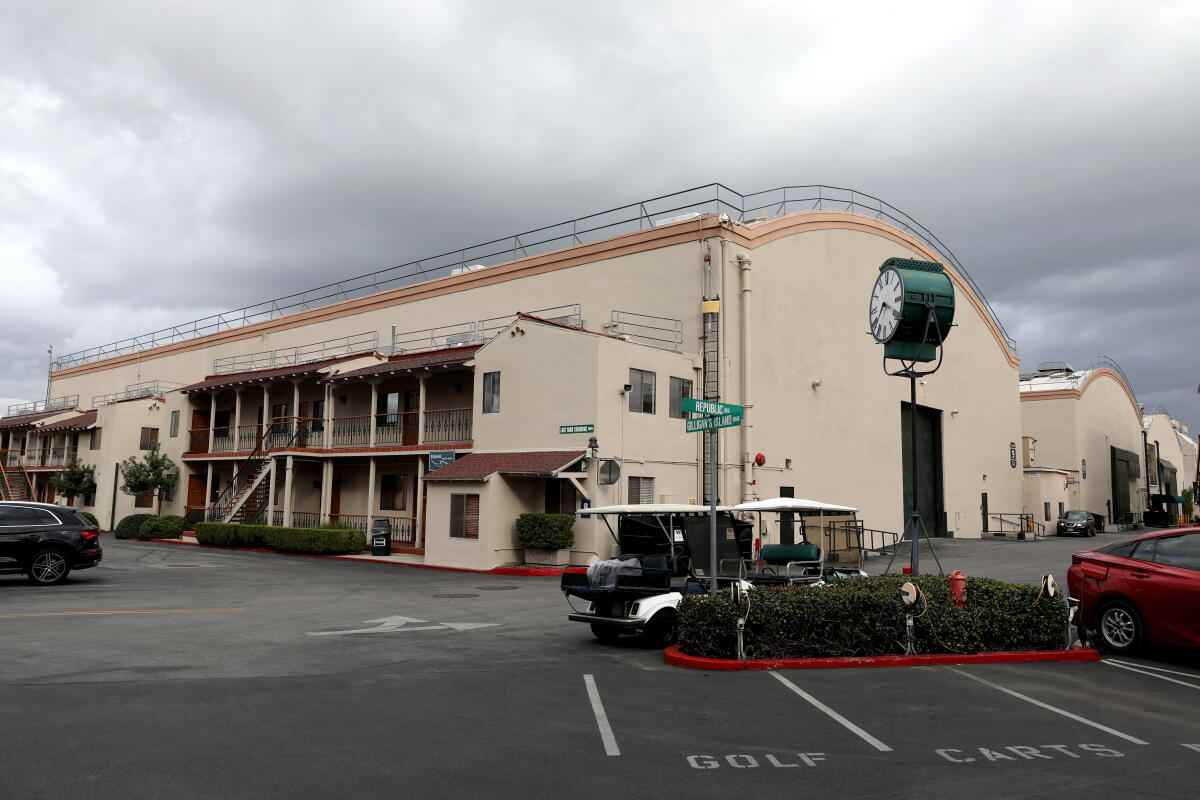
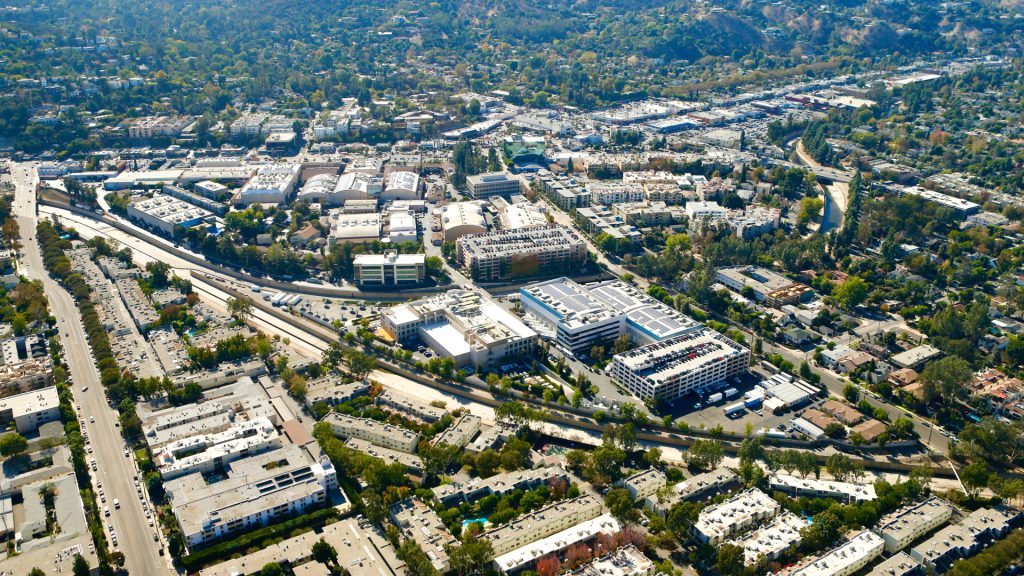
In 2021, Hackman Capital Partners paid $1.85 billion for the 55-acre Radford Studio Center, betting on streaming demand. As production cooled, occupancy fell, and by mid-2025 revenue covered only about 21 percent of debt service. Hackman defaulted on a $1.1 billion mortgage. Lenders led by Goldman Sachs are now selling the lot, with Netflix reportedly poised to pay roughly $330 million to $400 million.
The Lesson
When investors without deep roots in physical production buy studios at peak valuations, the margin for error disappears. In a cyclical business, timing is everything.
A Different Path
Not everyone is declining. A growing number of operators are succeeding through adaptability instead of scale. Brooklyn-based Be Electric Studios is held up as an example of how to survive and even thrive in a tightening market.
What to Watch
- Valuation resets for large lots
- Consolidation of mid-sized operators
- Flexible, service-oriented stage businesses
Frequently Asked Questions
Why is the studio market struggling? Too much supply and uneven demand.
What did Hackman pay for Radford? $1.85 billion in 2021.
Who is thriving? Adaptable operators such as Be Electric Studios.